Key Takeaways
- Small surface changes on ceilings usually signal deeper moisture intrusion above the slab.
- Hidden leaks damage reinforcement bars and concrete long before water drips visibly.
- A waterproofing company in Singapore can confirm membrane failure before structural repair becomes necessary.
Introduction
Heavy rain in Singapore does not arrive gently. A single afternoon storm can push large volumes of water across rooftops in minutes. When the waterproofing layer weakens, water does not need a large opening to enter. It travels through hairline cracks, porous concrete, and joint gaps, then spreads across the slab before appearing indoors. Many property owners only react after water drips from the ceiling, but visible dripping usually means the leak has existed for weeks.
Roof waterproofing repair works best when carried out before internal finishes suffer damage. The six signs below indicate that water has already begun moving through the roof system and requires professional assessment.
1. Bubbling or Peeling Paint on the Ceiling
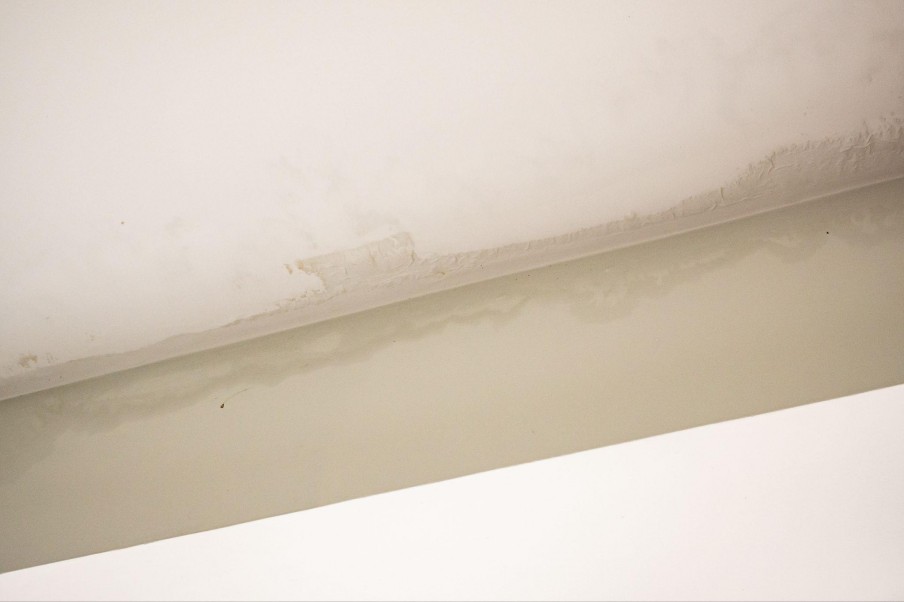
Ceiling paint detaches when moisture accumulates between the concrete slab and the finishing layer. Water weakens the bond that holds the paint in place, which creates raised bubbles or flaking edges. These bubbles often appear near corners or along beam lines because water follows structural joints. When you press the surface and feel softness beneath the paint, moisture has already penetrated the slab. At this stage, repainting alone will not solve the problem. Roof waterproofing repair must address the entry point above the ceiling before internal surfaces can be restored.
2. Brown or Yellow Stains That Return After Rain
Discoloured patches on the ceiling form when water repeatedly soaks through the same path. Even if the stain dries during sunny days, the mark remains embedded in the plaster. After each storm, the patch darkens again because the slab absorbs water and releases it slowly into the interior surface. These stains usually spread outward in uneven rings, which show the direction water travelled before evaporation. A
waterproofing company in Singapore can trace the source of this pattern on the roof and repair the affected membrane section before further seepage expands the damage.
3. Damp Smell in Top-Floor Rooms
Water trapped above the ceiling does not evaporate quickly in humid conditions. When moisture remains inside concrete cavities or insulation layers, it creates a persistent damp smell. This smell becomes stronger after rainfall because fresh moisture feeds microbial growth within the enclosed space. Ventilation does not remove the odour because the source lies inside the roof structure. If you notice this scent returning after every storm, moisture intrusion is ongoing. Roof waterproofing repair stops further water entry so the trapped moisture can dry and internal air quality can stabilise.
4. Concrete Chipping or Exposed Reinforcement Bars
Concrete protects the steel reinforcement embedded within it. When water penetrates the slab, it reaches the steel bars and triggers corrosion. Rust expands as it forms, which exerts pressure on the surrounding concrete. This expansion causes cracks, surface spalling, and loose fragments that fall from the ceiling. In advanced cases, rusted steel becomes visible. At this point, the issue extends beyond surface dampness and affects structural integrity. Immediate roof waterproofing repair prevents further water contact with reinforcement bars and limits costly structural rehabilitation.
5. Damp Patches After Short Rainfall
A roof in good condition withstands brief showers without visible internal impact. When damp patches appear after light rain, the protective membrane has lost its effectiveness. Water passes through micro-cracks and porous zones even without prolonged exposure. These patches often show up in the same location repeatedly, which indicates a consistent entry route above. If moisture marks appear within hours of minor rainfall, the roof surface no longer acts as a barrier. A waterproofing company in Singapore can conduct inspection tests to determine whether membrane replacement or targeted sealing is required.
6. Moss or Algae Growing on the Roof Surface
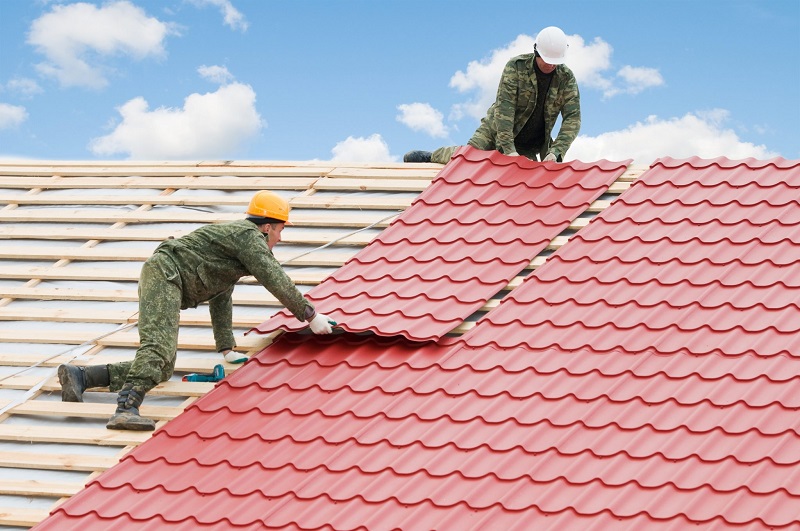
Green growth on roof tiles or concrete slabs signals prolonged surface moisture retention. Moss anchors itself in tiny surface cracks and gradually widens them as roots expand. Algae thrive in damp, shaded areas where drainage remains inadequate. When vegetation spreads across the roof, it traps water against the surface and increases absorption. This constant moisture exposure weakens protective coatings and accelerates membrane breakdown. Roof waterproofing repair involves removing organic growth, restoring proper drainage flow, and resealing the affected areas to prevent recurrence.
Conclusion
Water intrusion rarely begins with visible flooding. It starts with small changes in surface texture, colour, or smell that indicate moisture movement within the slab. Ignoring these signs allows water to reach reinforcement bars, internal finishes, and electrical systems. Roof waterproofing repair restores the protective barrier before structural elements deteriorate. If you notice any of these six conditions, schedule an inspection with a waterproofing company in Singapore to assess the roof membrane and prevent further damage.
To schedule a qualified inspection and obtain trustworthy roof waterproofing repair before the next intense downpour,
get in touch with General Waterproofing & Service right now.