Key Takeaways
- Wood, stone, glass, and metal each affect how a dining table in Singapore looks, feels, and ages in a humid climate.
- Marble and stone surfaces require protection from spills and heat, while sintered stone and engineered wood offer lower maintenance alternatives.
- Glass tables suit small spaces but require frequent cleaning, while metal frames resist humidity but may show scratches over time.
- Materials for a dining chair in Singapore, such as upholstery, synthetic leather, and plastic, influence comfort, cleaning effort, and durability.
- Material choices should reflect daily habits, cleaning routines, and space constraints rather than just showroom appearance.
Introduction
Choosing a dining table in Singapore comes with questions about materials, durability, and how furniture will hold up in a humid climate. A dining chair in Singapore must also be comfortable, stylish, and easy to maintain, especially in homes where dining areas double as work or social spaces. Materials influence how furniture looks, feels, and ages over time, yet brochures rarely explain what daily use actually feels like. Homeowners must understand common dining table and chair materials to help them make decisions based on lifestyle habits, cleaning routines, and space constraints.
1. Solid Wood And Engineered Wood
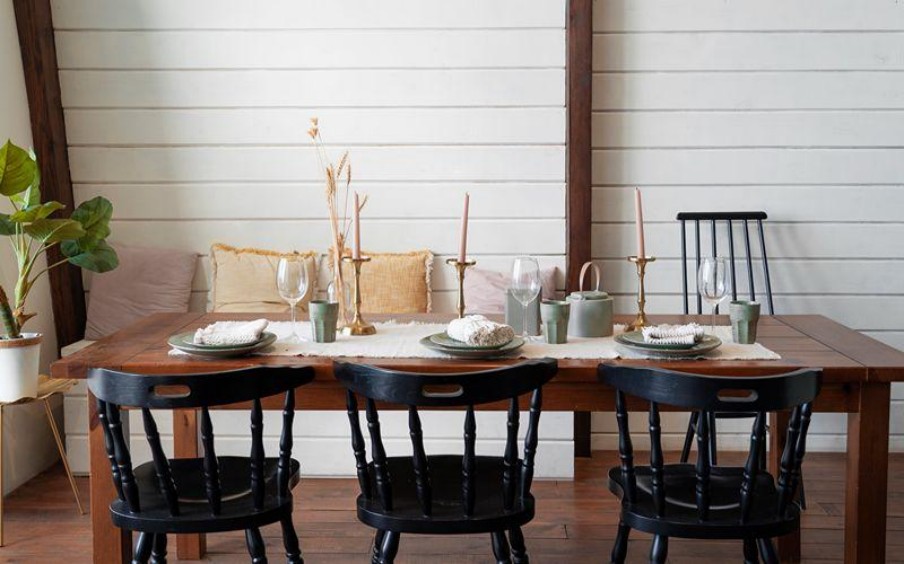
Solid wood dining tables remain popular for their natural appearance and warmth. Hardwoods such as oak, walnut, and teak offer durability but require care to prevent warping or fading in humid conditions. Engineered wood options, including veneer and laminated boards, offer a similar look with more stability and lower cost. For dining chairs, wooden frames offer structure, while padded seats improve comfort. In Singapore, wood can develop surface marks from heat and moisture, so coasters and placemats become part of everyday routines. Wood suits households that prefer a classic look and are prepared for periodic polishing or refinishing.
2. Marble, Stone, And Sintered Surfaces
Stone surfaces, including marble and sintered stone, create a strong visual statement for a dining table in Singapore. Marble requires careful cleaning and protection from acidic spills, while sintered stone offers a more stain-resistant option with a similar appearance. Stone surfaces feel cool and heavy, which some homeowners prefer in warm climates. Dining chairs paired with stone tables often use metal or upholstered frames to balance the visual weight. Stone tables can show water rings and scratches if not protected, so mats and runners become practical accessories in daily use.
3. Glass And Tempered Glass Designs
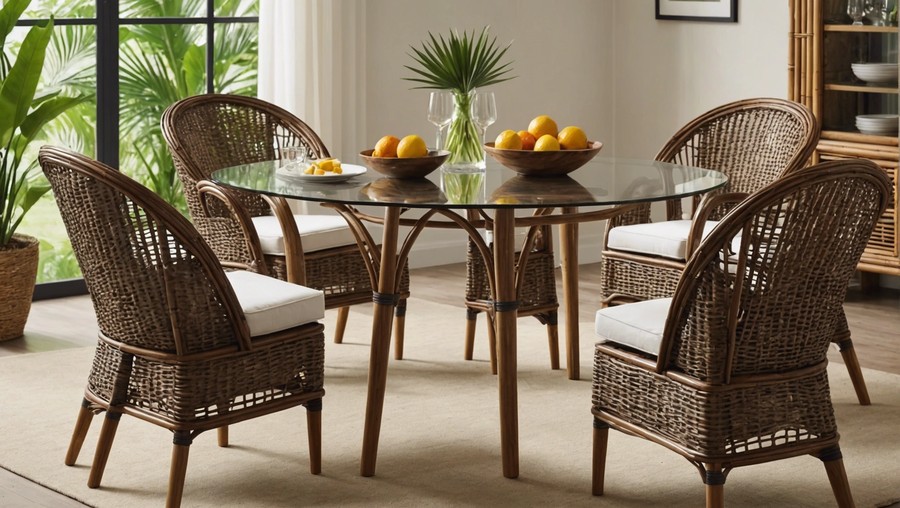
Glass dining tables offer a light, open feel that suits smaller apartments and contemporary interiors. Tempered glass adds strength and safety, making it suitable for family use. Fingerprints, dust, and smudges appear more easily on glass, so frequent wiping becomes part of upkeep. Glass tables pair well with metal or wooden dining chairs in Singapore, creating a contrast between transparency and structure. For households with young children, safety edges and sturdy bases are more crucial than aesthetics alone, as movement and bumps are part of everyday life.
4. Metal Frames And Industrial Finishes
Metal frames are in both dining tables and dining chairs in Singapore, often in powder-coated steel or aluminium. Metal provides structural stability and resists humidity-related warping, which appeals to homeowners concerned about Singapore’s climate. Industrial-style tables have metal frames and wood or stone tops, offering a mixed-material look. Metal chairs are easy to clean but may feel cold or hard without cushions, so seat pads are common additions. Scratches and chips in coatings can expose bare metal, making touch-up care part of long-term ownership.
5. Upholstered And Plastic Chair Materials
Dining chair materials influence comfort more than table materials. Upholstered chairs utilise fabric, leather, or synthetic leather to provide cushioning, suitable for long meals and home working. Fabric can absorb spills and odours in humid environments, while synthetic leather is easier to wipe clean. Plastic and polypropylene chairs are lightweight, moisture-resistant, and easy to move, suitable for compact homes and flexible layouts. In Singapore, homeowners often mix chair materials around a table, combining upholstered seats for comfort and plastic or wood chairs for practicality.
Conclusion
Many buyers expect dining furniture materials to perform the same way they do in showrooms, yet daily use in Singapore introduces humidity, spills, and frequent cleaning. A dining table in Singapore may look pristine upon purchase, but it develops marks, wear, or patina depending on the material and habits. Dining chairs in Singapore can fade, scratch, or absorb moisture depending on the upholstery and placement. The difference between showroom presentation and everyday living conditions can help homeowners set realistic expectations about maintenance and longevity. Material choices become less about trends and more about how furniture fits daily routines, space limits, and cleaning preferences over time.
Contact TheFurniture to discover more information about dining furniture materials.