Key Takeaways
- Uneven cooling across meeting rooms and workstations usually signals airflow control failure, not simple filter dirt.
- Sharp increases in electricity bills often indicate internal strain within compressors or condenser coils.
- Strange smells, loud noises, and rapid cycling point to mechanical or electrical faults that require immediate air conditioning service and repair.
Introduction
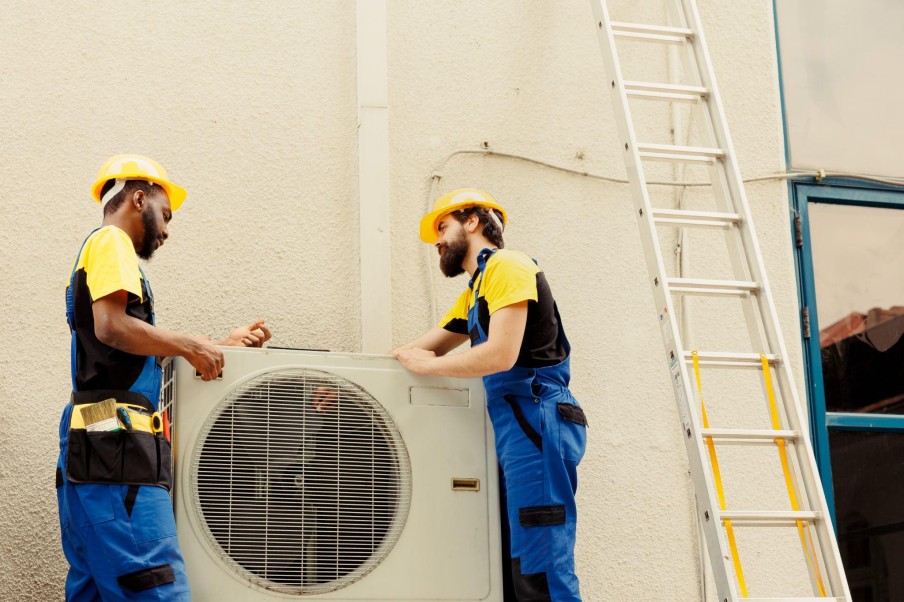
Office air conditioning does more than keep employees comfortable. It stabilises temperatures for computers, networking equipment, and meeting rooms where clients gather. When cooling systems weaken, productivity drops and equipment risks increase. Routine servicing maintains performance, but certain warning signs point to deeper mechanical problems. Facilities managers who recognise these signs can prevent sudden breakdowns that interrupt business operations. The following five indicators show when your office needs immediate
commercial aircon repair rather than routine maintenance.
1. Uneven Cooling Across Work Areas
A properly functioning commercial system distributes cool air evenly throughout the workspace. When staff complain that one corner feels warm while another remains cold, airflow regulation has failed. Zoning dampers inside duct systems control how air moves between rooms. If dampers stick or misalign, certain sections receive reduced airflow. Low refrigerant levels also weaken the system’s ability to cool distant zones. Employees often adjust thermostats repeatedly to compensate, which forces compressors to operate longer than intended. This strain increases wear on internal components and shortens equipment lifespan. Persistent temperature imbalance requires professional commercial aircon repair to restore consistent airflow and prevent further mechanical damage.
2. Sudden Spikes in Energy Consumption
Electricity bills provide measurable evidence of system health. When monthly energy usage rises sharply without longer office hours or new equipment, the cooling system likely operates inefficiently. Dirty condenser coils prevent heat from escaping properly. Fan motors that begin to fail draw more electrical current to maintain airflow. Compressors under stress run extended cycles to achieve the same cooling output. These mechanical inefficiencies increase operating costs while reducing performance. Facilities teams sometimes overlook rising energy use because the system continues running. Prompt
air conditioning service and repair addresses the root causes before the compressor burns out and requires full replacement.
3. Persistent Musty or Burning Smells
Clean office air should not carry noticeable odours. A musty smell often indicates water accumulation inside drainage trays or ductwork. Commercial systems remove humidity continuously. When condensate lines clog, stagnant water collects and supports mould growth. Circulating mould spores compromise indoor air quality and may trigger allergies or respiratory irritation among staff. Burning smells indicate overheating electrical parts. Damaged wiring, worn capacitors, or excessive motor friction generate heat that produces distinct odours. These conditions create both health and fire hazards. Immediate commercial aircon repair resolves moisture buildup and electrical faults before they escalate into structural damage.
4. Loud Banging, Hissing, or Grinding Noises
Commercial air conditioning units operate with powerful components, yet they should maintain steady, controlled sound levels. A hissing sound usually signals refrigerant escaping under pressure. Refrigerant leaks reduce cooling efficiency and damage compressors if technicians ignore them. Banging or clanking noises often result from loose fan assemblies or detached internal components within the air handling unit. Grinding sounds reveal worn motor bearings that struggle under continuous load. Each abnormal sound reflects internal deterioration that will not correct itself. Industrial HVAC repair Singapore specialists can identify failing parts quickly and replace them before surrounding components sustain additional damage.
5. Frequent Short Cycling
Short cycling occurs when the air conditioning system turns on and off repeatedly within short intervals. A healthy system completes a full cooling cycle before shutting down. Faulty thermostats sometimes misread room temperatures and trigger premature restarts. Ice buildup on evaporator coils restricts airflow and forces automatic shutdowns. Electrical faults within control boards can also disrupt normal cycling patterns. Each restart places heavy strain on the compressor and increases internal heat buildup. Continued short cycling significantly shortens equipment lifespan and raises long-term repair costs. Timely commercial cooling solutions correct the underlying fault and restore stable operation before total compressor failure occurs.
Conclusion
Commercial cooling systems support daily office operations and protect sensitive equipment from heat-related damage. Uneven temperatures, unexplained energy increases, unusual smells, abnormal noises, and repeated short cycling each signal specific mechanical or airflow problems. Ignoring these warnings increases repair costs and risks sudden system shutdown during peak working hours. Early commercial aircon repair preserves employee comfort, stabilises indoor air quality, and prevents operational disruptions. A detailed inspection at the first sign of trouble keeps your office cooling system reliable and ensures consistent performance throughout the year.
For a trustworthy commercial air conditioning repair for your office and to arrange a professional inspection,
get in touch with Cool Channels Engineering.