

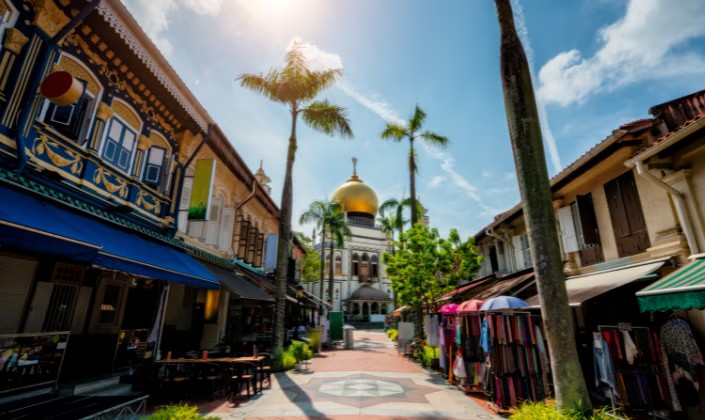
Singapore’s residential landscape continues to transform as new communities take shape across the island. While established neighbourhoods remain popular among buyers, emerging residential areas are attracting growing attention through improved infrastructure, new amenities, and thoughtful urban planning. These developing districts offer fresh opportunities for homeowners who want to experience modern living environments shaped by future needs. Understanding what makes an emerging neighbourhood appealing can help buyers identify areas with strong potential and suitable lifestyle advantages.
New Communities Built Around Modern Needs
Emerging neighbourhoods are often designed with changing lifestyles in mind. Instead of focusing only on housing supply, planners consider how residents will work, travel, relax, and connect with one another. New residential areas frequently include integrated facilities such as community spaces, retail options, parks, and transport links that support convenient daily routines.
This approach creates environments where homes are part of a larger ecosystem. Residents benefit from having essential services nearby while enjoying thoughtfully planned surroundings. As these communities mature, they often develop their own identity and attract a wider range of homeowners seeking fresh alternatives to more established locations.
Infrastructure Drives Neighbourhood Transformation
Improved infrastructure is one of the strongest indicators of a neighbourhood’s future appeal. New MRT lines, road improvements, cycling paths, and public facilities can significantly enhance accessibility and convenience. These upgrades often encourage further investment and contribute to stronger connections between residential areas and key parts of the city.
However, buyers should look beyond transport alone when evaluating emerging locations. The availability of schools, healthcare services, recreational spaces, and commercial facilities also determines whether a neighbourhood can support comfortable living over time. A well-rounded infrastructure network creates communities that remain practical as residents’ needs change.
Sustainable Planning Creates Better Living Environments
Many emerging residential districts in Singapore incorporate sustainability as a central part of their design. Green spaces, energy-efficient buildings, pedestrian-friendly layouts, and environmentally responsible features are becoming increasingly common in newer developments. These elements support healthier lifestyles while contributing to more attractive surroundings.
Projects such as The Serra Residences reflect how buyers increasingly consider the quality of the living environment when assessing residential options. Homes that combine thoughtful design with comfortable community features appeal to residents who value both convenience and a well-planned neighbourhood experience.
Balancing New Growth With Established Convenience
One advantage of emerging neighbourhoods is the opportunity to experience newer infrastructure and contemporary residential designs. At the same time, buyers should consider the transition period required for developing areas to reach full maturity. Some amenities may take time to arrive, and residents may need patience as communities continue expanding.
Comparing current convenience with future possibilities helps buyers make realistic decisions. A developing area may provide exciting opportunities, but understanding the timeline of growth allows homeowners to choose locations that match their expectations and lifestyle requirements.
Lifestyle Facilities Shape Community Appeal
Modern residential buyers increasingly look for more than just a private living space. Parks, recreational facilities, dining options, and community areas influence how people experience their neighbourhood. Emerging districts often place strong emphasis on these elements, creating environments where residents can enjoy activities close to home.
A neighbourhood with attractive public spaces can encourage healthier routines and stronger social connections. Families may appreciate accessible play areas, while individuals may enjoy nearby cafés, fitness facilities, or nature spaces. These features contribute to a sense of belonging that grows as the community develops.
Identifying Areas With Long-Term Potential
Evaluating an emerging neighbourhood requires careful research rather than relying on short-term excitement. Buyers should consider development plans, surrounding infrastructure, accessibility, and how well the area matches their personal requirements. Understanding the broader direction of a district helps create more balanced expectations.
Developments like Dunearn Green demonstrate how residential projects can become part of evolving communities where lifestyle preferences and urban planning come together. Buyers who examine both the property and its surrounding environment are better positioned to identify homes that remain relevant over time.
Watching Singapore’s Next Residential Chapters
Emerging neighbourhoods represent the continued evolution of Singapore’s urban landscape. They offer opportunities to live in communities shaped by modern planning, improved facilities, and changing expectations around residential comfort. While established districts provide proven advantages, developing areas can offer fresh environments with room to grow. By examining infrastructure, sustainability, amenities, and community planning, buyers can make informed choices about where they want to build their future homes.