
Walking into a showroom can feel oddly overwhelming. Rows of seating, endless fabrics, and that quiet pressure to get it right. Somewhere between comfort and style sits a simple guideline that designers quietly rely on: the two-thirds rule. It sounds technical, yet it is surprisingly intuitive once explained.
What the Two-Thirds Rule Actually Means
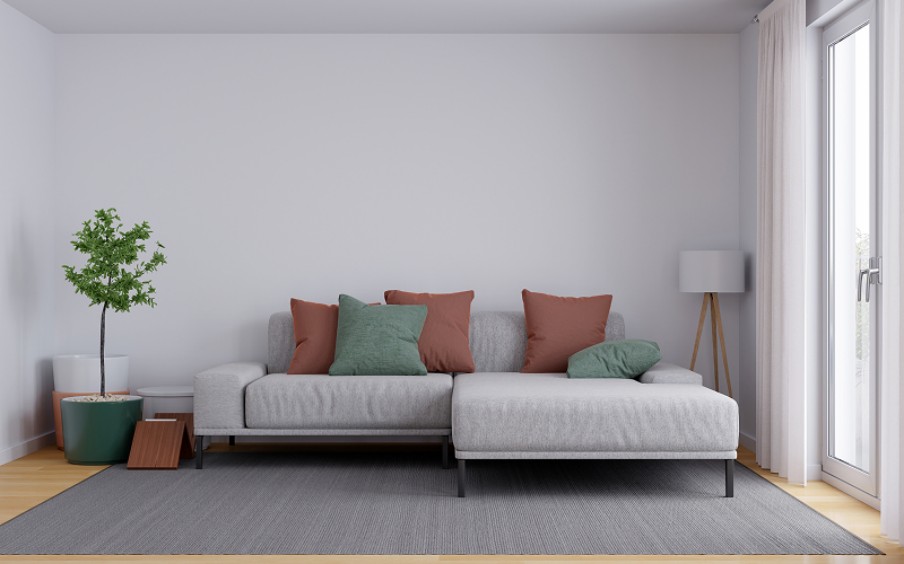
At its core, the two-thirds rule suggests that a sofa should take up roughly two-thirds the width of the wall or space it sits against. Not the whole wall. Not half. Two-thirds. The idea is visual balance. When a sofa stretches too far, the room feels cramped. Too small, and it looks like it wandered in by mistake.
This rule shows up in many furniture stores in Singapore because it works well with local home layouts, especially HDB flats and newer condominiums where proportions matter more than sheer size. It keeps the space calm, readable, and easier to furnish around.
Why It Feels Right Even When You Cannot Explain It
There is a mild contradiction here. The rule sounds rigid, yet rooms that follow it feel relaxed. That is because the eye likes breathing room. Leaving that remaining third gives space for side tables, lamps, or simply a visual pause. It is the same reason a well-framed photo looks better with a margin around it.
In practical terms, a sofa set that follows the two-thirds rule allows movement to flow naturally. Walkways stay clear. Furniture does not bump into each other. Living rooms feel lived-in, not staged.
When the Rule Matters Most
The two-thirds rule matters most in smaller homes, which makes it particularly relevant in Singapore. A compact living room can quickly feel crowded if proportions are ignored. Following this guideline helps maintain balance without sacrificing seating capacity.
That said, the rule bends. A sectional sofa can still work if its main visual mass respects the two-thirds idea. The trick is to look at the longest visible line, not the hidden corner stretch.
And yes, sometimes breaking the rule works. A statement sofa in a large landed property might span more than two-thirds and still look intentional. Context decides everything.
How to Apply It Without Measuring Tape Stress
Here is the good news. Exact measurements are not required. A quick visual check usually does the job. Stand back. If the sofa feels like it dominates the wall, it probably does. If it looks timid, it likely falls short.
Many furniture stores in Singapore now stage their displays using this rule, which helps shoppers picture proportions more accurately. Take photos. Compare setups. Notice which ones feel calm and which feel busy.
Also consider height and depth. A low-profile sofa set with slim arms may occupy two-thirds of the wall but still feel light. A bulky design might feel heavy even if it technically follows the rule.
Other Pieces That Quietly Follow the Same Logic
The two-thirds rule is not limited to sofas. TV consoles, rugs, and even artwork often follow similar proportions. A rug that is too small can make a sofa look oversized. A console that runs wall to wall can feel boxy.
Seeing the living room as a conversation between pieces helps. When one element respects proportion, others tend to fall into place.
Why This Rule Keeps Showing Up
Trends change. Colours cycle in and out. Yet proportion stays relevant. That is why designers keep returning to this rule, and why it quietly shapes displays across furniture stores in Singapore.
It is not about following formulas blindly. It is about understanding why something works, then using that knowledge with confidence.
Conclusion
The two-thirds rule is less about restriction and more about comfort, visual ease, and common sense. When choosing a sofa set, this simple guideline can prevent costly mistakes and make everyday living feel smoother. For tailored advice or help finding the right fit, get in touch with Pandatec today.