
Key Takeaways
- A solid wood dining table offers long-term value through durability, repairability, and timeless appeal
- Many homeowners in Singapore encounter the need for a wooden dining table during unexpected lifestyle changes
- Understanding materials and craftsmanship helps buyers make confident, practical decisions
- A wooden dining table in Singapore reflects shifting priorities rather than planned upgrades
Introduction
For many households, the search for a solid wood dining table begins with an unexpected opportunity—a move, a renovation, a growing family, or a shift toward hosting more meals at home. In Singapore, the dining table becomes a central anchor rather than a supporting piece of furniture. Choosing a wooden dining table in Singapore involves understanding materials, lifestyle demands, and how furniture adapts over time.
When Change Creates the Right Moment to Invest
Unexpected opportunities emerge during transitions. A new flat, a reconfigured dining area, or even a shift to more home-cooked meals can reveal limitations in existing furniture. Lightweight or composite tables may no longer meet daily demands, prompting homeowners to consider sturdier alternatives. In these moments, a solid wood dining table becomes appealing because it addresses immediate needs while offering longevity. Unlike engineered materials, solid wood withstands repeated use, temperature changes, and surface wear more predictably. Solid hardwood furniture can last decades when properly maintained, making it a practical response to sudden lifestyle shifts rather than an indulgent upgrade.
Why Solid Wood in Singapore Suits Homes Unexpectedly Well
Humidity, daily use, and compact layouts demand materials that are both resilient and adaptable. A wooden table in Singapore benefits from dense hardwoods that resist warping and surface fatigue when finished correctly. Solid wood’s ability to be refinished or repaired adds to its appeal during unplanned purchases. Small scratches or dents do not require replacement, which aligns with sustainable consumption patterns increasingly valued by local homeowners. Repairable furniture reduces long-term environmental impact compared to disposable alternatives.
Navigating Space Constraints Without Compromise
Unexpected opportunities frequently involve space re-evaluation. A dining table may suddenly need to double as a work surface, gathering point, or shared family space. In these cases, material quality matters more than decorative elements. A wooden dining table in Singapore balances visual warmth with structural strength. Solid wood provides a stable surface for varied daily tasks, from meals to remote work, without flexing or weakening over time. This adaptability explains why many homeowners shift toward solid wood only after encountering functional limitations in their previous furniture.
Comprehending Craftsmanship During Unplanned Purchases
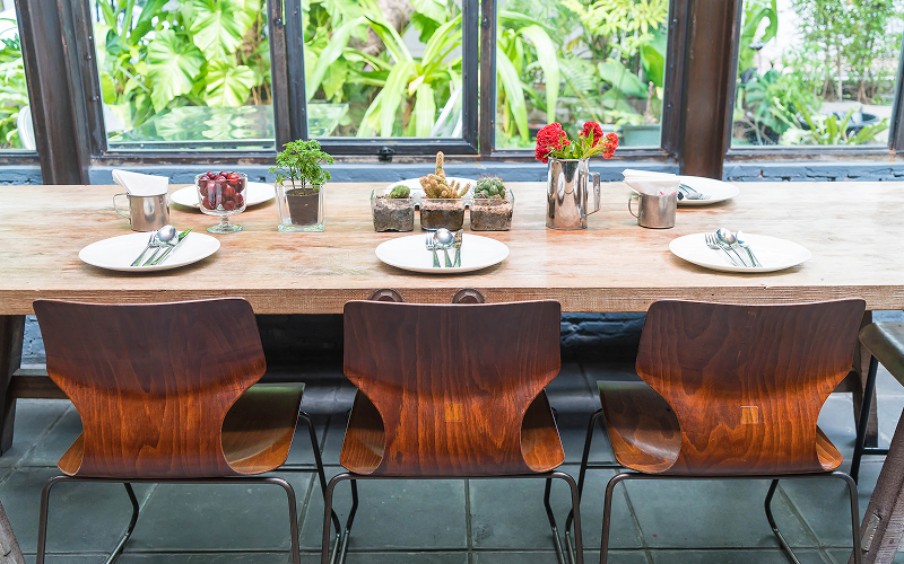
When a purchase is not planned months in advance, buyers rely on visible indicators of quality. Joinery methods, wood grain consistency, and finish application become essential cues. Traditional joinery techniques, such as mortise-and-tenon construction, indicate durability and load-bearing strength. A solid wood dining table constructed with these principles offers structural integrity that becomes especially valuable when the table is used beyond its original purpose. This makes craftsmanship a functional safeguard during spontaneous buying decisions.
Balancing Style and Practicality Under Time Pressure
Unexpected opportunities allow extensive design deliberation. Homeowners need furniture that integrates seamlessly into existing interiors. Solid wood’s natural tones and textures provide flexibility across modern, minimalist, and traditional spaces. A wooden dining table in Singapore succeeds because wood adapts visually as interiors change. Neutral finishes age gracefully and pair easily with evolving décor, reducing the risk of stylistic mismatch. Natural materials enhance perceived comfort and longevity in residential spaces.
Long-Term Thinking Triggered by Short-Term Needs
Paradoxically, unplanned purchases often lead to more future-focused decisions. When faced with replacing a temporary or underperforming table, buyers frequently prioritise durability and adaptability over trends. A solid wood dining table meets this need by offering consistency across changing life stages. Whether accommodating additional seating, withstanding frequent use, or adapting to new layouts, solid wood supports continuity.
Making Informed Choices Without Overcomplication
Unexpected opportunities demand clarity. Buyers benefit from understanding wood types, finishes, and maintenance expectations without becoming overwhelmed. Hardwoods such as oak, walnut, and teak are commonly chosen for their balance of strength and aesthetic stability. A wooden dining table in Singapore should be evaluated based on daily usage patterns, not just showroom appeal. This practical lens helps transform an unplanned purchase into a considered investment.
Conclusion
Unexpected opportunities shape the most meaningful home decisions. Choosing a solid wood dining table during moments of change allows homeowners to address immediate needs while investing in long-term functionality. In Singapore’s dynamic living environments, solid wood offers resilience, adaptability, and understated continuity that support evolving lifestyles. A wooden dining table in Singapore becomes a stable centre around which daily life unfolds. Recognising opportunity, rather than resisting it, can lead to choices that remain relevant long after the initial reason for change has passed.
If you are navigating a sudden move, renovation, or lifestyle shift and exploring well-crafted dining solutions, reach out to Wood Capitol today.