Key Takeaways
- Minimalist concepts often struggle to scale across larger, multi-level landed homes over time.
- Practical lifestyle demands tend to override early aesthetic restraint in landed house interior design.
- Storage, zoning, and functional additions gradually soften minimalist residential interior design choices.
- Long-term living exposes the limits of strict minimalism in landed properties.
Introduction
Minimalism is a common starting point for many homeowners embarking on a landed house interior design project. Clean lines, restrained palettes, and uncluttered spaces feel like a logical evolution from apartment living, particularly for homeowners seeking visual calm and order. However, as years pass, many landed homes quietly evolve away from strict minimalism. This shift is rarely driven by regret or poor planning. Instead, it reflects how larger homes are actually lived in over time. Landed properties introduce spatial, functional, and emotional demands in residential interior design that minimalist principles alone struggle to support indefinitely.
1. Larger Spaces Expose the Limitations of Minimalist Design
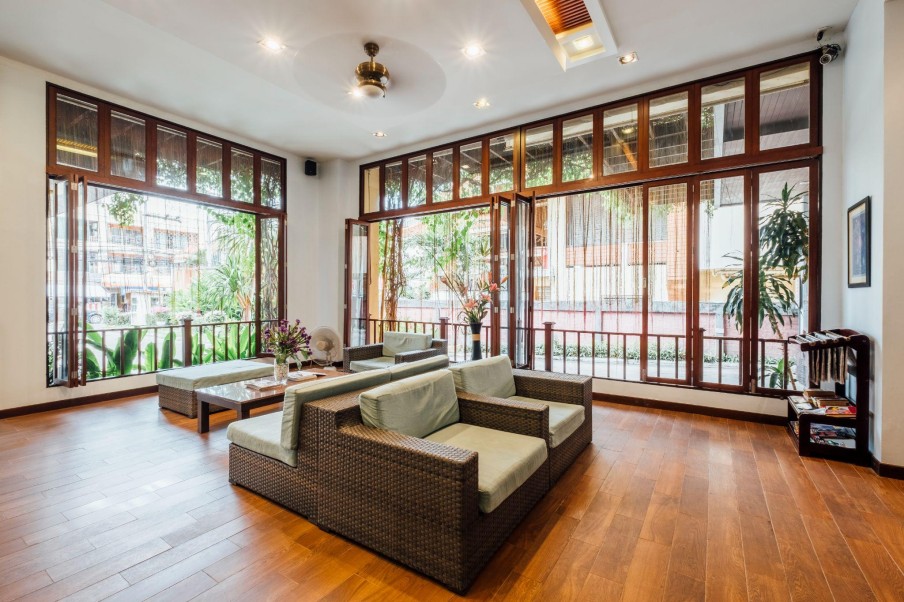
Minimalism functions best when space naturally limits excess. Generous floor plates, high ceilings, multiple storeys, and open voids in many landed house interiors create a different challenge altogether. Sparse furnishing that feels deliberate in a compact apartment can appear underdeveloped or visually hollow in a landed home. Over time, homeowners instinctively add furniture, feature lighting, or architectural detailing to anchor these larger volumes. The intent is not to clutter, but to restore proportion and visual balance. Due to this, residential interior design in landed homes gradually moves towards layered compositions that respond to scale rather than adhering rigidly to minimalist ideology.
2. Lifestyle Accumulation Is Inevitable in Landed Homes
Landed properties are often long-term homes rather than transitional ones. They accommodate growing families, evolving careers, and sometimes multi-generational living. Due to this, as lifestyles change, so do functional demands. Home offices, fitness corners, hobby spaces, storage rooms, and entertainment zones emerge over time. Minimalist residential interior design assumes disciplined ownership habits and limited belongings, which is rarely realistic in a landed setting. Seasonal items, sports equipment, tools, and household supplies need accessible storage. Built-in cabinetry, custom carpentry, and concealed storage solutions become necessary. These additions prioritise practicality and usability, gradually softening the clean minimalism originally envisioned in landed house interior design.
3. Functional Zoning Overrides Aesthetic Simplicity
Unlike single-level apartments, landed houses require clear zoning across floors and spaces. Public areas, private bedrooms, workspaces, and service zones must operate independently without interfering with one another. Over time, homeowners introduce visual distinctions to support this separation. Changes in flooring materials, lighting schemes, ceiling treatments, or wall finishes help guide movement and reinforce function. Strict minimalism, which often relies on uniform finishes and minimal contrast, can blur these boundaries. Due to this, residential interior design in landed homes becomes more articulated and differentiated. Function gradually takes precedence over aesthetic uniformity, even when simplicity remains a guiding principle.
4. Long-Term Comfort Outweighs Visual Restraint
Minimalism prioritises visual calm, but long-term comfort often requires more than restraint. Large landed spaces with hard finishes and minimal soft furnishings can feel cold, echo-prone, or emotionally distant over time. While homeowners settle into daily routines, comfort becomes a stronger driver of design decisions. Soft furnishings, textured materials, warmer colour palettes, and acoustic treatments are introduced to improve livability. Rugs, curtains, timber finishes, and upholstered furniture become functional necessities rather than decorative indulgences. This transition reflects a broader shift in landed house interior design priorities, from visual discipline to physical and emotional comfort that supports everyday living.
Conclusion
The shift away from minimalism in landed house interior design is rarely sudden or deliberate. It is a gradual response to space, lifestyle changes, and the realities of long-term occupation. Residential interior design for landed homes must allow flexibility, adaptability, and comfort without becoming rigid or prescriptive. Minimalism may serve as an effective starting framework, but lived experience often reshapes it into something more layered and functional. Successful design in landed properties is measured less by how restrained it looks and more by how well it supports real life over time.
Contact Jialux Interior to discover a landed design that supports how life evolves within it.