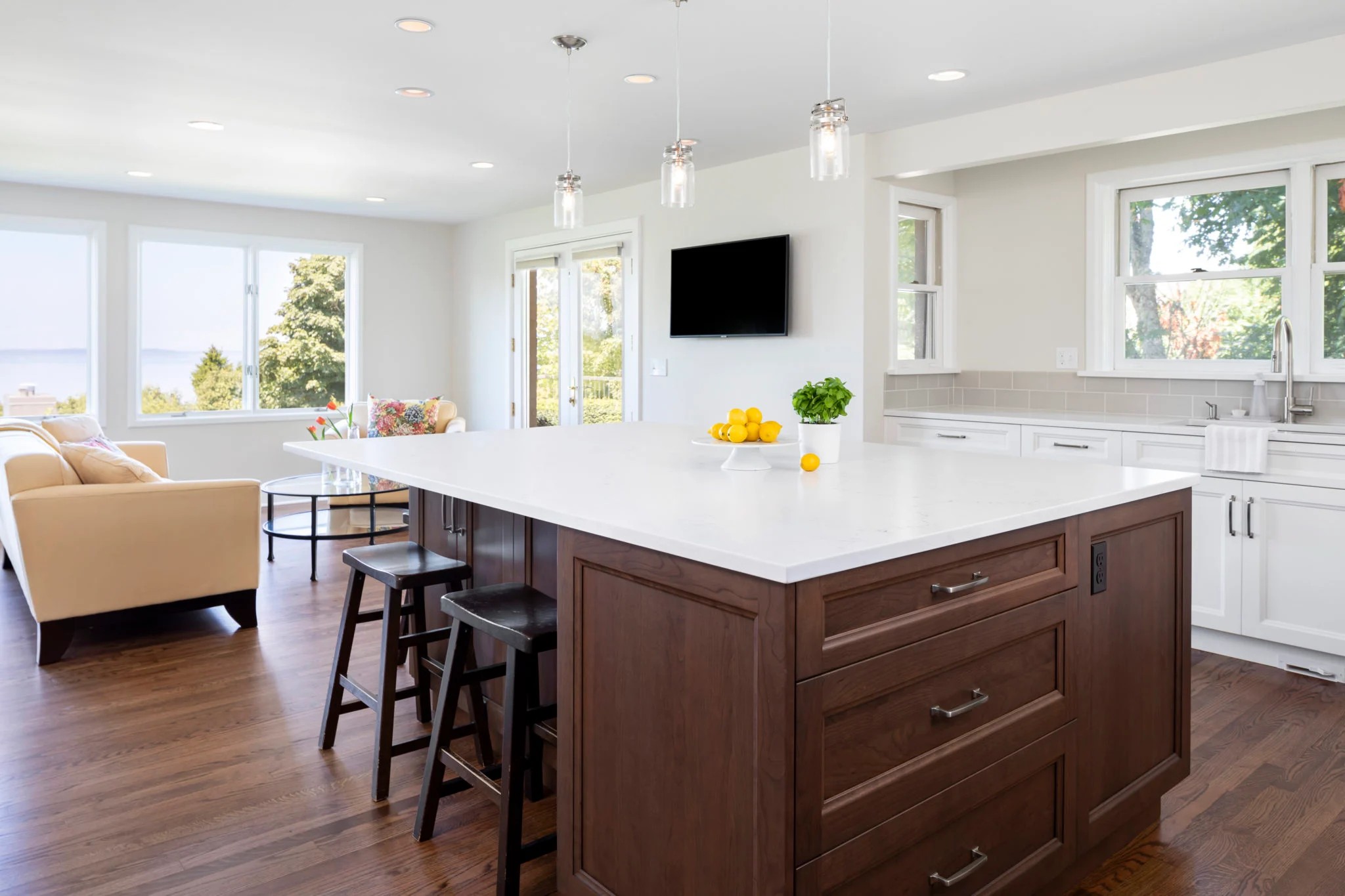


When shopping for a new place to live, buying a speculative home—commonly known as a “spec home”—presents an incredibly attractive proposition. Constructed by investors or developers who anticipate market demand, these properties offer the sparkling allure of brand-new construction without the multi-year wait times, stressful design choices, and unpredictable cost overruns of a custom build.
However, because spec home construction moves at a rapid, production-oriented pace, buyers must not confuse “brand new” with “flawless.” While major regional developers and independent investors utilize premier financing partners like builderfinance.com to secure top-tier subcontractors and premium materials, the pressure to deliver inventory to the market can occasionally lead to overlooked details.
For a buyer, a comprehensive, systematic approach to inspecting a spec home before closing is the absolute best way to protect your investment and guarantee peace of mind.
The “New Construction” Illusion: Why Inspection is Mandatory
A common mistake made by homebuyers is assuming that municipal building codes and city inspections guarantee a perfect home. City inspectors are responsible only for verifying that the building meets the minimum safety standards required by local law. They are not checking for cosmetic consistency, optimal insulation placement, long-term durability, or whether a subcontractor took a shortcut on a Friday afternoon.
An independent inspection ensures that your spec home is structurally sound, energy-efficient, and finished to the standard of quality you are paying for.
The Three-Tier Inspection Strategy
To properly evaluate a spec home, your approach should be divided into three distinct layers: structural integrity, systems operational testing, and fit-and-finish aesthetics.
1. Structural and Exterior Integrity
The exterior envelope of the home is its first line of defense against the elements. If the exterior is compromised, everything inside is at risk.
- Grading and Drainage: Walk the perimeter of the property. The ground should slope away from the foundation at a minimum rate of 6 inches within the first 10 feet. Improper grading is the leading cause of cracked foundations and flooded basements.
- Roofing and Flashing: Ensure that roof shingles are completely flat and that flashing—the metal pieces that divert water—is installed around chimneys, valleys, and wall intersections.
- Siding and Sills: Check that the exterior siding or stucco clears the ground soil by at least 6 inches to prevent pest intrusion and moisture rot.
2. Systems and Mechanical Testing
New mechanical components are highly efficient, but only if they were calibrated and hooked up correctly by the mechanical subcontractors.
- HVAC Performance: Do not just turn the system on; stress-test it. Turn the air conditioning or heating to an extreme setting and verify that air flows evenly through every single register in the house. Check the condenser unit outside to ensure it is sitting perfectly level on its pad.
- Plumbing Pressure and Drainage: Run every shower, sink, and tub simultaneously for 10 to 15 minutes. This tests the water pressure and ensures the main waste lines can handle maximum volume without backing up or leaking into the cabinetry below.
- Electrical Panel and Outlets: Open the electrical service panel. Every breaker should be neatly and explicitly labeled. Use a simple, inexpensive receptacle tester to check that every single outlet in the home is properly grounded and wired.
3. Cosmetic Fit and Finish (The “Blue Tape” Walkthrough)
While structural issues cost the most to fix, cosmetic defects are the most frustrating to live with. This phase is traditionally called the “blue tape walkthrough,” where you use painter’s tape to mark imperfections for the builder’s punch list.
| Area | What to Look For | Why it Matters |
| Drywall & Paint | Flashlight shone parallel to walls | Reveals hidden tape seams, uneven texture, or skipped second coats. |
| Cabinetry & Trim | Doors out of alignment; gaps in molding | Indicates rushing during final assembly or shifting structural frames. |
| Flooring | Squeaks in subflooring; hollow tile spots | Hollow tiles break easily under weight; squeaks mean loose subfloor fastening. |
| Doors & Windows | Binding or resistance when latching | Windows or doors that stick suggest the frames were installed out-of-plumb. |
Navigating the Project Lifecycle: When to Inspect
The timing of your inspections depends entirely on how far along the spec home construction process is when you sign your purchase agreement. If you catch the project early enough, you gain a massive advantage.
1.The Pre-Drywall Inspection:Before Drywall (If applicable).
This is the gold standard of inspections. Hire an independent inspector after framing, plumbing, and electrical rough-ins are complete, but before the drywall goes up. This allows you to verify the quality of the studs, load-bearing beams, engineered trusses, and insulation placement.
2.The Final Home Inspection:Prior to Closing.
Conducted by a licensed home inspector roughly one to two weeks before your closing date. This results in a comprehensive, independent report detailing the functional health of the entire completed structure.
3.The Final Punch List Verification:Days Before Sign-off.
Walk the home with the builder’s representative to verify that every piece of blue tape from your initial walkthrough has been addressed and repaired to your satisfaction before you hand over the closing funds.
Leveraging the Builder’s Warranty
Even with the most rigorous inspection, some structural or mechanical anomalies only manifest after you have lived in the home through a change of seasons. This is why understanding the builder’s warranty is a critical final step in the inspection process.
The 1-2-10 Warranty Standard: Most reputable builders back their spec homes with a tiered warranty structure: 1 year for cosmetic defects and workmanship, 2 years for major systems (plumbing, electrical, HVAC delivery), and 10 years for structural elements like the foundation and load-bearing framing.
When evaluating a spec home, ask who backs the warranty. Builders who manage their capital responsibly and work with institutional construction lenders like builderfinance.com typically have the financial stability and operational infrastructure to honor their warranty commitments promptly. Avoid builders who balk at independent inspections or refuse to provide a detailed, written warranty policy prior to executing a contract.
Final Thoughts
A spec home offers a fast track to luxury, modern living, and energy efficiency. By removing the emotion from the purchase and treating the inspection like a rigorous business audit, you ensure that your brand-new home is built on a flawless foundation. Hire the right independent inspector, step through the home systematically, and confidently secure an asset designed to last for decades.