
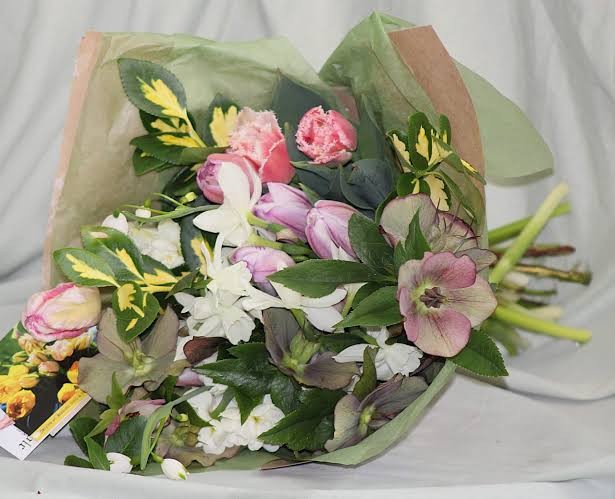
A bouquet can light somebody`s day up, a celebration, or to add colours in your home. But every bouquet has a tale of its own in the environmental arena too. Everything from its growing conditions to transportation factors into the carbon footprint of each bouquet.
When you choose your next fresh flower bouquet, knowing about where the flowers are sourced can make for a more responsible purchase that can still be beautiful.
Factors That Make Up the Carbon Footprint of a Flower
The vase is but an end, perhaps the last phase of a flower’s long journey whose environmental footprint has been shaped along its every inch. Its total footprint comprises energy, water, packaging, and transport.
Among some of the greatest influences are:
- Growing methods
- Greenhouse energy use
- Refrigerated storage
- Air or road transport
- Packaging materials
Every step along the way contributes to that environmental price of transporting flowers from farm to consumer.
Why You Should Pick Your Flowers Locally?
Locally grown flowers rarely travel as far from field to florist. It has the advantage of often requiring less transport emissions and delivering the flowers fresher to destinations.
For those sourcing wholesale flowers in Launceston, the seasonality of blooms sourced closer to home brings a significant benefit in reducing the need for long-distance freight, while also supporting local growers.
Why Imported Flowers Still Deserve a Place?
Imported flowers also allows one to have access to those which may not grow well in the walls of Australia or may be blooming at a particular time only.
They can offer:
- Greater flower selection
- Consistent year-round supply
- Unique colours and varieties
- Availability for special events
While the transport may add to emissions, many overseas growers invest in efficient farming practices that avoid greater environmental harm elsewhere.
Freshness Can Reduce Waste
Unknown to many aspects of sustainability is their lasting ability after purchase. A bouquet that lasts for days generates less waste than a rapidly wilting platter.
Picking a quality fresh flower bouquet along with proper care instructions can increase vase life and avoid swapping out flowers close to each other.
Seasonal Flowers Often Make Sense
Seasonal plants tend to need fewer artificial growing conditions, compared with blooms forced to grow outside their natural flowering period.
When purchasing flowers, you may want to speak with your florist about seasonal choices. Such arrangements often correspond to the nature of availability, while simultaneously supporting local supply networks. They are also more likely to arrive at the height of their season, which helps them last longer in a vase. Season flowers represent a good value due to their availability and the ability of designs to highlight colours and textures that are most relevant for the time of year.
Packaging Matters Too
The environmental context is a piece of the whole picture, and that piece partly comprises the flowers themselves. Even things like plastic wrapping, ribbons, foam, and over-the-top packaging create more waste.
Florists purchasing wholesale flowers in Launceston might also opt for recyclable packaging, reusable and more environmentally friendly packing solutions to promote going green.
Making a More Sustainable Choice
You do not always have to avoid imported flowers when you choose sustainable flora. It is not about these factors, it is about the balance of quality/seasonality/transport/longevity.
Simple choices include:
- Buying seasonal flowers
- Supporting local growers where possible
- Reusing vases
- Recycling packaging
- To extend flower life change the water in vases regularly
This is the power of little things done regularly.
Final Thoughts
The carbon footprint of a particular bouquet is dictated by many more factors than simply where the flowers were grown. The environmental impact of flowers depends on methods of farming, transport, and packaging, as well as the longevity of flowers. If you do understand these factors and make smart purchases, there will always be room to enjoy flowers but support more sustainable practices, if at all possible.