
Key Highlights
- Waterproof coatings prevent moisture from reaching the building’s structural steel reinforcements.
- Effective waterproofing systems inhibit the growth of mould and mildew, protecting occupant health.
- High-quality membranes act as a barrier against the hydrostatic pressure found in tropical climates.
- Proactive moisture protection significantly reduces long-term repair and maintenance expenses.
Introduction
Moisture is one of the most persistent threats to the structural integrity and aesthetic appeal of any building. In a tropical environment, the combination of heavy rainfall and high humidity levels creates a constant challenge for property owners and developers. Without adequate protection, water can easily penetrate porous building materials, leading to a cascade of problems ranging from minor stains to severe structural failure. Applying a professional waterproof coating is a fundamental step in modern construction to ensure that a structure remains dry and durable. By understanding the mechanics of moisture protection, stakeholders can make informed decisions that safeguard their investments against the harsh elements of the local environment.
Preventing Structural Decay and Corrosion
The primary function of a waterproof coating is to act as an impermeable shield for the building’s skeleton. Most modern structures rely on reinforced concrete, which is naturally porous. When water seeps into these pores, it eventually reaches the internal steel reinforcements. This contact leads to carbonation and chloride-induced corrosion, causing the steel to rust and expand. The resulting pressure creates cracks and spalling in the concrete, which compromises the safety of the entire building. By sealing the external surfaces with a high-performance coating, you prevent this concrete cancer from taking root. This proactive layer ensures that the internal framework remains dry and structurally sound for decades, even when exposed to frequent tropical downpours.
Guarding Against Mould and Indoor Air Quality Issues
Beyond structural concerns, moisture ingress significantly affects the health and comfort of those inside the building. In many cases, a faulty waterproofing membrane in Singapore allows dampness to migrate through walls and floors, creating the perfect breeding ground for mould and mildew. These fungi release spores that can cause respiratory issues, allergies, and other health complications for occupants. Furthermore, persistent dampness leads to the degradation of interior finishes, such as peeling paint and wallpaper detachment. A robust waterproofing system ensures that the building envelope remains airtight and moisture-free. This not only preserves the internal aesthetics but also maintains a healthy indoor air quality level, which is essential for both residential and commercial properties.
Resisting Hydrostatic Pressure and Tropical Weather
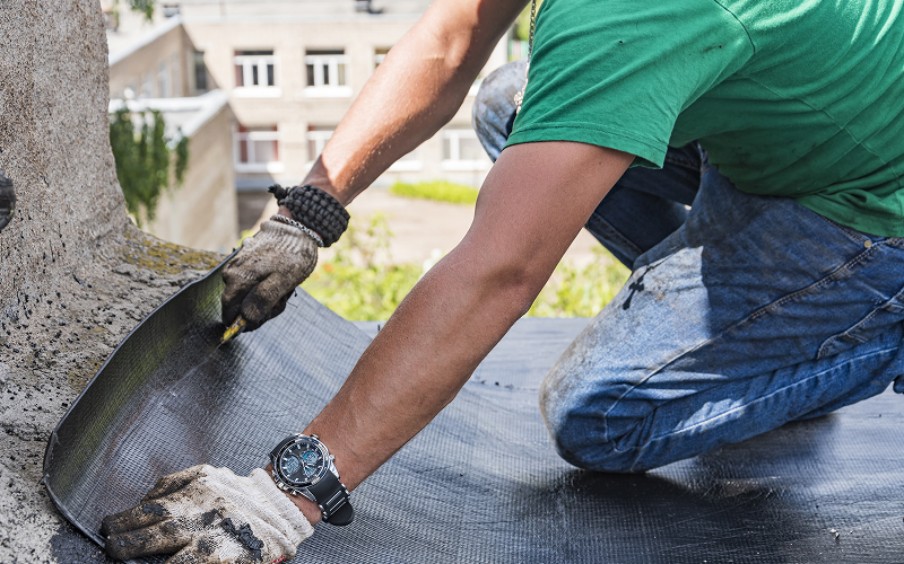
The geographical location of Singapore necessitates specialised solutions for intense weather patterns. High-rise buildings and underground structures are particularly susceptible to hydrostatic pressure, where water pushes against the foundation or facade with significant force. A standard paint or low-grade sealant is often insufficient to withstand these conditions. Integrating a high-quality waterproofing membrane in Singapore provides a flexible yet tough barrier that can bridge small cracks and accommodate the building’s thermal expansion. These specialised membranes are designed to remain effective even under constant water immersion, making them ideal for rooftops, balconies, and basements where water tends to collect or exert the most pressure.
Reducing Maintenance Costs and Increasing Longevity
While some may view comprehensive waterproofing as a high upfront cost, it is actually one of the most effective ways to save money over the life of a building. Water damage is notoriously expensive to repair, often requiring invasive procedures to reach hidden leaks and replace damaged structural components. By investing in a high-grade waterproof coating during the construction or renovation phase, you essentially buy insurance against future disasters. A well-protected building requires far less frequent repainting and surface repairs, which keeps the exterior looking pristine for longer. Ultimately, a dry building is a durable building, and the long-term appreciation of the property value far outweighs the initial investment in professional-grade moisture protection systems.
Conclusion
Waterproofing is not merely an optional feature but a critical necessity for any building in a high-rainfall region. From protecting the internal steel reinforcements to ensuring the health of the inhabitants, the benefits of a well-executed moisture protection strategy are immense. By utilising the right combination of liquid-applied coatings and advanced membranes, architects and engineers can create structures that stand the test of time and weather. As construction technology advances, the ability to seal buildings effectively becomes even more sophisticated, offering peace of mind to property owners. Prioritising these systems today ensures a safer, healthier, and more cost-effective environment for tomorrow.
To protect your property from the elements with industry-leading solutions, contact Ardex – Quicseal for expert advice on our range of waterproofing systems.