
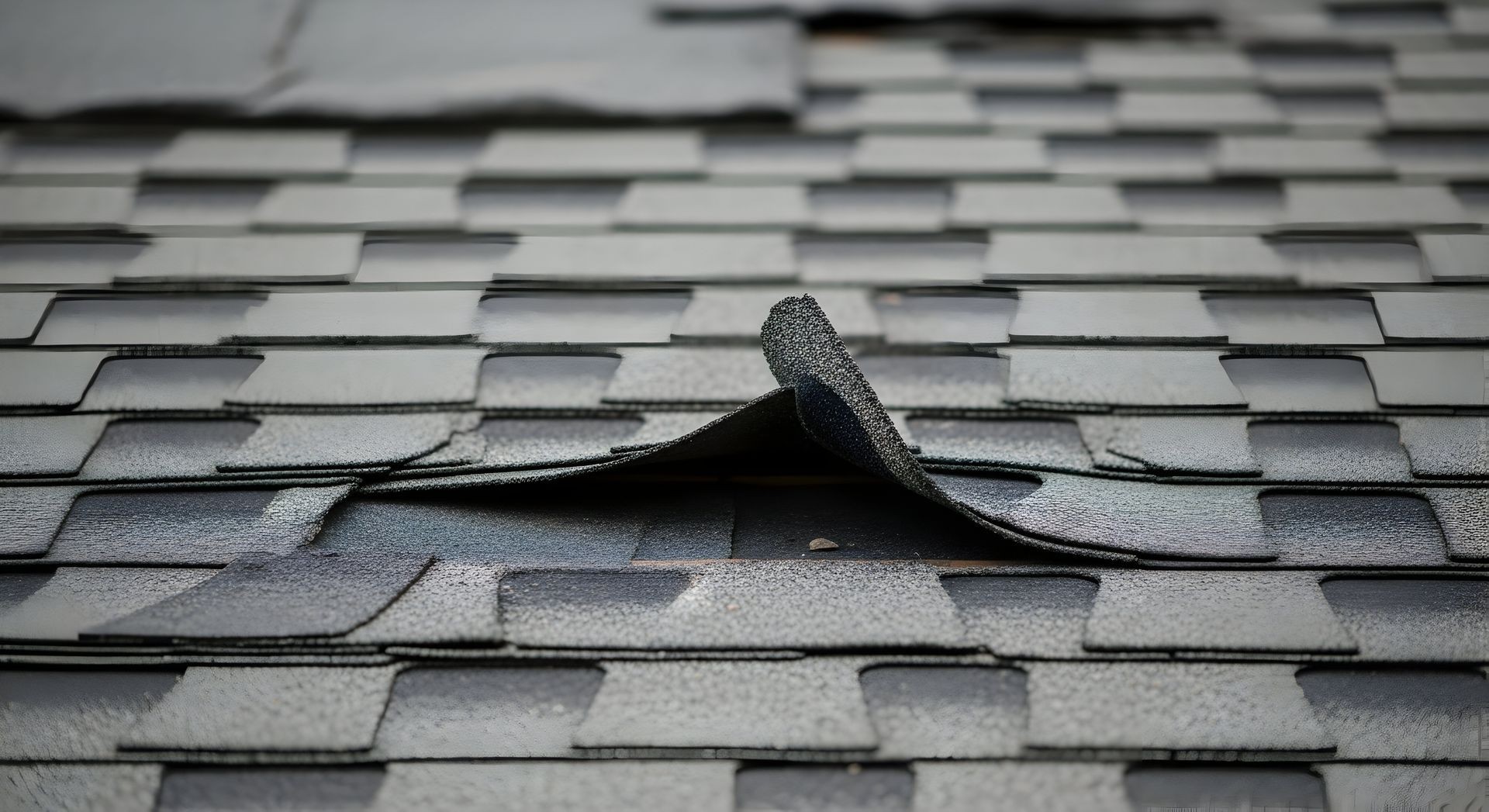
There may be vulnerabilities which were otherwise hidden, and strong winds will expose those vulnerabilities. Usually one of the first things a homeowner will observe is a shifted, cracked, or lifted ridge cap.
Ridge caps are placed at the peaks of a tiled roof. They also aid in joint protection at the junctions of roof sections and help prevent moisture from infiltrating areas that are otherwise susceptible to leakage. A couple of loose tiles can create a gap the size of a ten-penny piece, which allows rainwater into the roof space.
Why Ridge Caps Become Loose?
There are several reasons why ridge caps can shift. Or perhaps day after day of high winds may have raised older caps, or bedding and mortar that have come apart can lessen how well they hold. The connection could also be weakened by age, frequent temperature shifts, and previous repairs.
Roof restoration in Box Hill can be beneficial if your roof has a number of loose caps or another visible damage. You can identify whether or not the problem is isolated or a symptom of broader roofing failure with an expert inspection.
What to Check from the Ground
The priority following a storm is safety! Do not climb a wet or broken roof just to check on a ridge cap.
Instead, come out from below for clear detections such as:
- Caps that appear uneven
- Missing sections along the ridge
- Cracked or displaced tiles
- Loose pieces around the roof
- Other debris on gutters or ground
- Gaps along the ridge line
Having binoculars will allow you to see the top parts without exposing yourself.
Check Inside the Roof Space
Check the roof cavity for water entry if safe to do so. Rain leaking in through the split rake may reveal dark timber, damp insulation, or new water stains.
Do not touch live power if components are wet. If water has penetrated any wiring, lights, or electrical fittings, consult a qualified electrician.
If you notice a leak, then arrange for roof repairs in Bayswater as soon as possible to ensure moisture does not wreak more damage.
Do Not Just Concatenate the Cap
Actually, you might be tempted to reposition a lifted cap on your own. This can be risky.
The cap could be broken, loose, or covering a dent inside. Improper movement also creates causes the tiles to either break or fall off
In case multiple ridge caps have slipped, roof restoration can do the job to overall condition of the ridge and make sure that your rooftop is not treated as one-off repair.
Watch for Water Damage
Also, after heavy rains, look for new stains on ceilings and up high walls. Pay particular attention near the roof ridge area.
Pour some water, the small mark will show whether water has come in during the storm. Never wait for active dripping before assisting.
If there are multiple damaged areas, or if the leak has been recurring for a period of time now, roof repairs in Bayswater may not be limited to just repairing visible ridge caps.
Organising an Inspection Following High Winds
A simple visual inspection will show you major issues but it may not ensure that all the parts of the roof is still secured.
Look out for raised caps, dislodged tiles, or indications of wetness entering inside and reserve professional assistance to investigate. The wind damage may be minimal but addressing it quickly makes the issue less likely to develop into a bigger roofing issue.
Deal with Wind Damage Early
Loose ridge caps are nothing to ignore. Some slips may make it seem like the damage is only slight, but every gap offers a way for rain into the roof and further suffering.
Verify from the base, search for inner indications of moisture and stay away from climbing on a broken rooftop. Whatever work you are after − from some barefaced repairs to full roof restoration in Box Hill, acting on the issue as soon as possible allows your home to weather the next storm.