
Buying a home in Singapore is a major decision, but the search does not have to begin with price or the number of facilities available within a development. A more practical starting point is understanding how a home will fit into everyday life. The right property should support your routines, priorities and long-term needs rather than simply look attractive during a viewing.
For buyers considering developments such as Dorset Gardens and Clovelle of Woodlands, thinking about lifestyle can provide a useful framework for evaluating different residential options. Instead of asking whether a property looks impressive on paper, prospective homeowners can consider how its location, layout and surrounding environment may work with the way they actually live.
Start With Your Daily Routine
Every household has a different routine. Some people spend most of their weekdays travelling to work, while others work from home or have flexible schedules. Families may need to coordinate school runs, grocery shopping, childcare and recreational activities. Singles and couples may place greater emphasis on dining, entertainment and convenient access to the city.
Before viewing properties, it can be useful to write down the places you visit regularly. These might include your workplace, schools, supermarkets, healthcare facilities, relatives’ homes or favourite recreational areas.
Once these destinations are identified, it becomes easier to think about whether a particular location supports your routine. A home that looks appealing but creates unnecessary travel every day may not provide the same practical value as one that works naturally with your schedule.
Think About Location Beyond the Address
A property address tells you where a development is located, but it does not necessarily explain what living there will feel like.
Look at the surrounding neighbourhood as part of the home-buying decision. Consider whether you prefer an established urban environment, a quieter residential setting or an area undergoing significant development.
For example, someone researching Dorset Gardens may want to consider what they value about living in a city-fringe environment. Another buyer looking at Clovelle of Woodlands may be more interested in the character and conveniences associated with living in the northern part of Singapore.
Neither approach needs to be viewed in isolation. The important question is whether the surrounding environment matches your lifestyle.
Consider How You Will Use the Space
The size of a home is only one part of the equation. How effectively the available space supports your routine can be equally important.
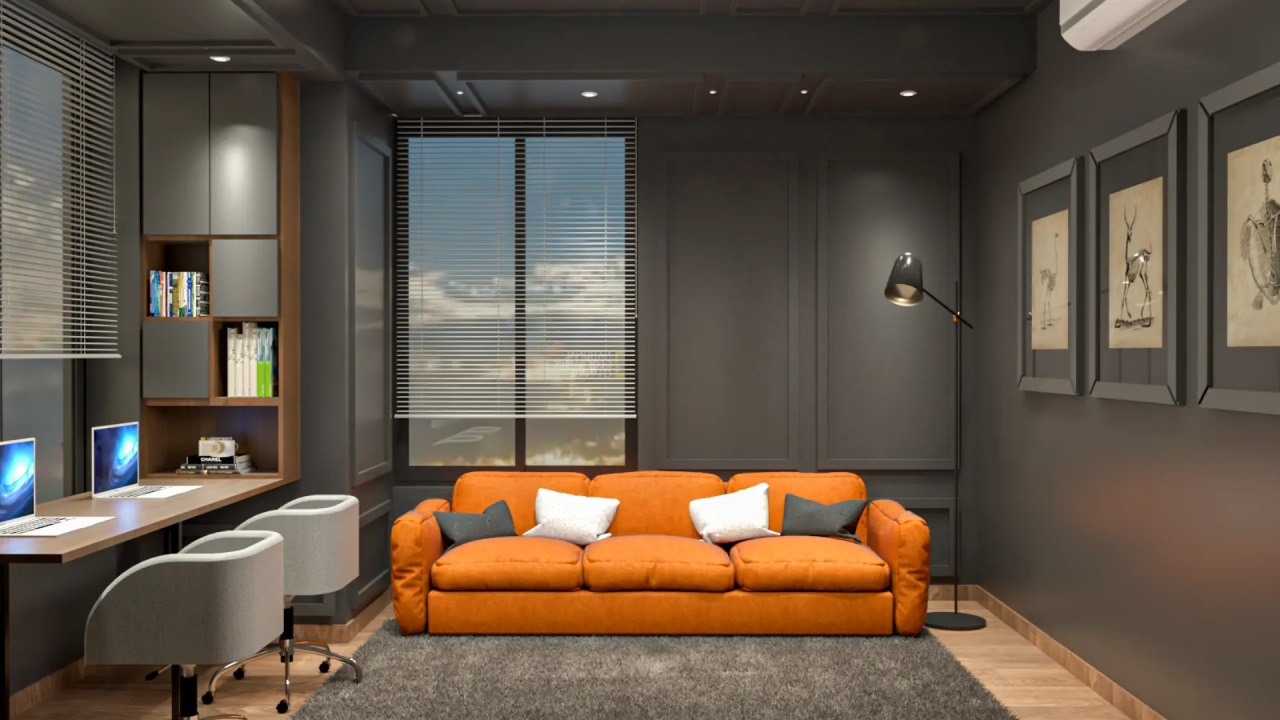
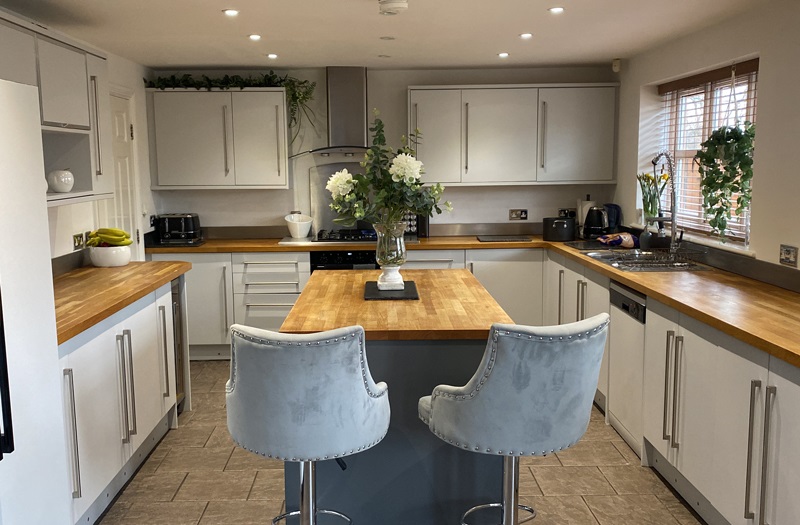
A buyer who frequently works from home may need an area that can accommodate a proper workstation. A family might need flexible spaces for children, study or storage. Someone who enjoys cooking may place greater importance on the kitchen arrangement, while another homeowner may care more about having a comfortable living area for entertaining guests.
During a property viewing, imagine an ordinary weekday rather than simply looking at the rooms as empty spaces.
Where would you put your work desk? Where would everyday items be stored? Would the dining area suit your household? Is there enough flexibility if your needs change later?
These questions can reveal practical considerations that are easy to overlook when focusing only on visual presentation.
Look at Convenience From a Household Perspective
Convenience means different things to different people.
For one household, convenience could mean being close to public transport. For another, it might mean having everyday shopping options nearby. Families may focus on schools and childcare, while older homeowners could give greater attention to healthcare access and quieter surroundings.
It is therefore useful to create a personal convenience checklist before comparing properties.
Rather than judging a development based on a generic list of amenities, consider which facilities you are genuinely likely to use. A long list of facilities may sound attractive, but the more important question is whether those features contribute meaningfully to your daily life.
The same principle applies to the surrounding neighbourhood. Restaurants, shops and recreational destinations are valuable when they align with your habits and preferences.
Consider Your Future Needs
A home should not only work for your current lifestyle. Your circumstances may change over time.
A couple purchasing their first home may eventually have children. Someone working remotely today might return to an office-based schedule. A homeowner may also need additional storage, a study area or more flexible living arrangements later.
This does not mean buyers need to predict every possible future event. Instead, it can be helpful to choose a home with some degree of flexibility.
Ask whether the layout could accommodate changing furniture arrangements or different uses for individual rooms. Think about whether the neighbourhood offers services and conveniences that could remain useful as your household evolves.
Compare Properties Using Your Own Priorities
Property searches can become confusing when buyers try to compare too many features at once. A simple priority list can make the process more manageable.
Divide your requirements into three categories: essential, desirable and optional.
Essential factors might include an acceptable commute, suitable space and a location that works for your household. Desirable features could include additional facilities, preferred views or nearby lifestyle options. Optional features might include conveniences that are pleasant but not necessary.
This approach helps prevent attractive but less important features from overshadowing the things that genuinely affect everyday life.
When comparing Dorset Gardens with Clovelle of Woodlands, for example, buyers can focus on how each residential setting aligns with their own priorities rather than trying to identify a universally suitable choice.
Visit the Neighbourhood at Different Times
A property viewing usually gives you only a brief impression of a location. If possible, consider the surrounding area at different times of the day.
A weekday morning can provide a different perspective from an afternoon or weekend visit. Traffic patterns, pedestrian activity and general neighbourhood atmosphere can change depending on the time.
This type of observation can help buyers develop a more realistic understanding of the environment surrounding a potential home.
Make the Decision Personal
There is no single formula for finding the right home. A property that suits one household may not suit another because lifestyles, priorities and daily schedules differ significantly.
The most useful approach is to evaluate a home from the perspective of real life. Consider how you will travel, work, relax, shop, spend time with family and use your living space.
Whether you are researching Dorset Gardens, Clovelle of Woodlands, or other residential developments in Singapore, focusing on your own lifestyle can make the property search more structured and meaningful.
A home is more than a collection of rooms and facilities. It is the setting for everyday routines and future experiences. Taking the time to understand what you actually need from that setting can help you approach the buying process with greater clarity.