

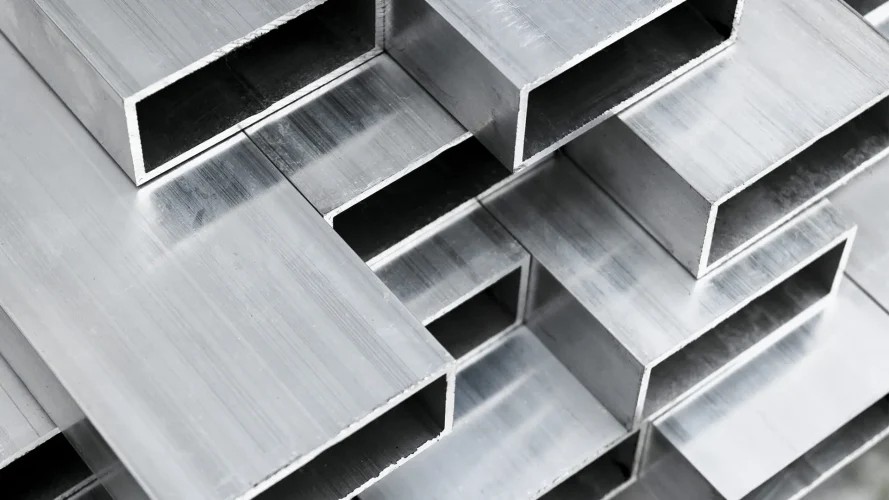
Every material in a school building is a long-term decision. A public school is expected to serve for fifty years or more, maintained on a public budget, cleaned by a small facilities team and used hard by thousands of students. So when sustainability courses study green school construction, they quickly move past slogans and into a practical question: which materials still look good, stay safe and avoid the landfill after decades of service? Aluminum keeps appearing near the top of that list — and the railings, fences and canopies of modern campuses show why.
Lesson One: Recyclability Is Only Real If the Loop Closes
Students learn early that aluminum is recyclable — famously, recycling it takes only a small fraction of the energy needed to produce it from ore. What separates a good materials case study from a brochure is whether the loop actually closes. Aluminum does: it does not degrade through recycling, scrap has genuine economic value, and collection systems for it exist at industrial scale. A railing removed during a renovation thirty years from now is far more likely to be melted into a new product than to be landfilled — a claim few competing materials can match with a straight face.
Lesson Two: Durability Is a Sustainability Feature
The greenest product is often the one you do not replace. This is where aluminum’s chemistry works for it. Exposed to air, aluminum instantly forms a thin, self-repairing oxide layer that protects it from further corrosion. It does not rust like steel, rot like wood or become brittle under ultraviolet light like many plastics.
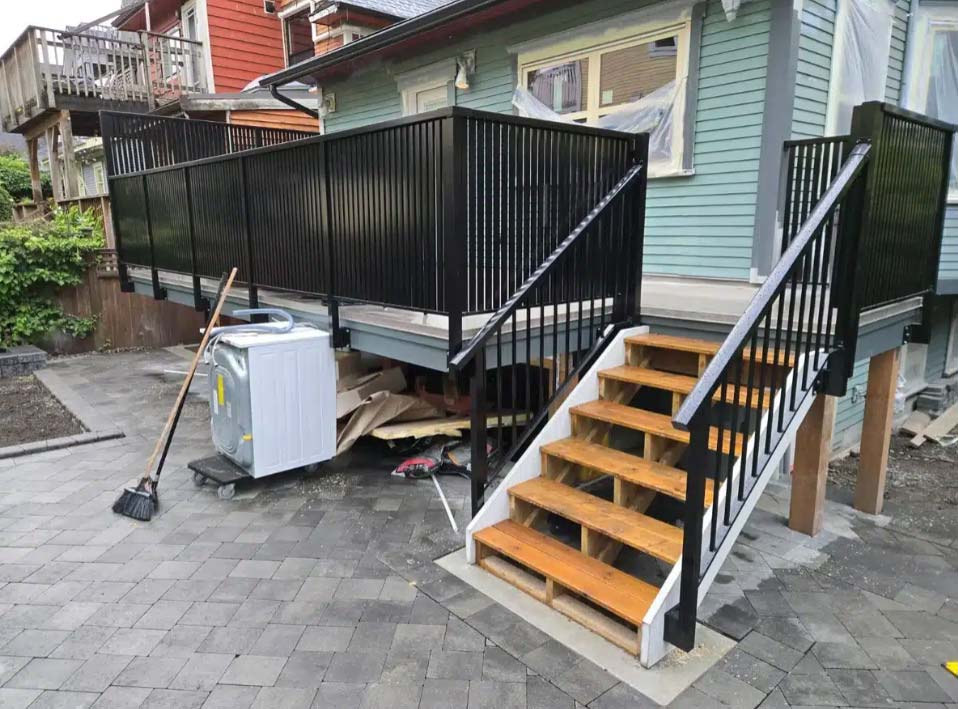
For exterior applications, manufacturers add powder coating — a dry finishing process in which powdered pigment is electrostatically applied and then cured with heat into a hard, uniform skin. Unlike wet paint, powder coating produces almost no volatile organic compounds and the overspray can be collected and reused. The practical result for a school is a railing or fence that shrugs off coastal rain, road salt and playground abuse for decades with nothing more than washing — no sanding, staining or repainting cycles, and none of the solvents and consumables those cycles consume.
Lesson Three: Weight Is an Environmental Cost
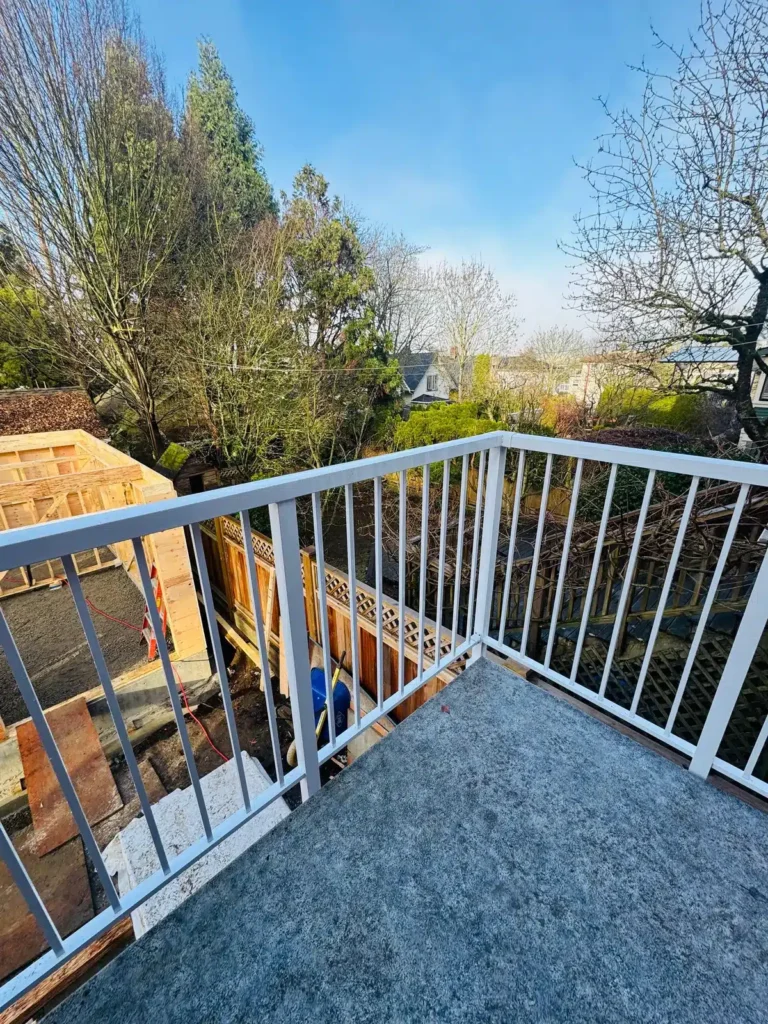
Aluminum is about a third the density of steel. That lightness is easy to overlook in a specification table and impossible to ignore on a real project. Lighter components mean smaller delivery loads and less fuel per trip, easier manual handling on site, lighter supporting structure in the building itself and faster installation with smaller crews. In life-cycle assessment terms, transport and installation are real line items — and schools, which often renovate in short summer windows while students are away, feel the installation-speed benefit immediately.
Where Students Can See It on Any Campus
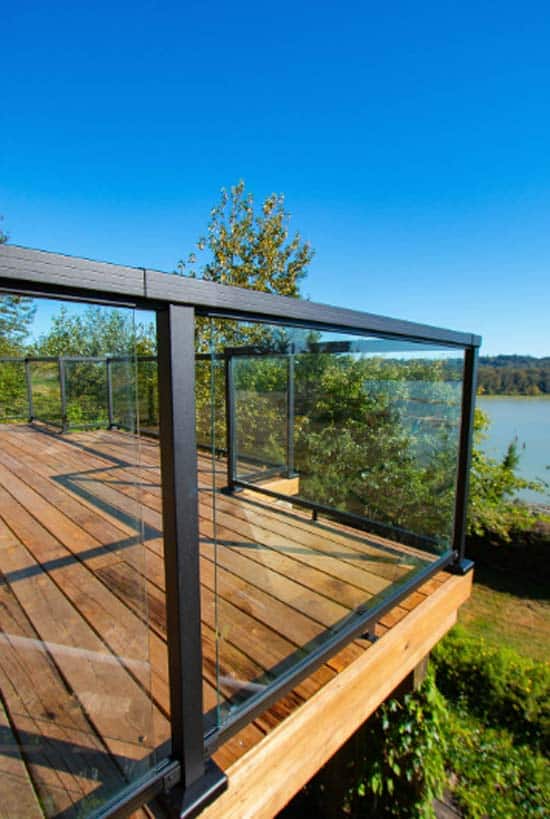
Walk a modern school with this framework and the aluminum starts to announce itself: the deck and ramp railings chosen because they will never need painting, the pool-area guards that tolerate chlorine air, the aluminum fence that stays straight and rust-free along the sports field, the canopy over the entrance that will not drip rust stains onto the steps. In each case the institution made the same calculation homeowners now make when they choose aluminum railings for a deck in a rainy coastal climate: pay once for a material whose maintenance budget is close to zero.
The Honest Trade-Off Students Should Also Learn
A balanced materials course does not let aluminum off without cross-examination. Producing primary aluminum from bauxite is energy-intensive — the industry phrase “solid electricity” exists for a reason — and a specification that ignores that fact is marketing, not engineering. The environmental case for aluminum rests on the full life cycle: the smelting energy is spent once, while the material then serves for decades with minimal upkeep and returns for recycling at high value, again and again.
That framing teaches specifiers to ask sharper questions. What is the recycled content of this product? Is the smelter powered by hydroelectricity or coal — a distinction that changes the footprint dramatically and one that matters in regions like British Columbia, where hydro power is common? Is the product designed for disassembly, so its components can actually reach the recycling stream at end of life? Schools that publish their construction standards increasingly ask exactly these questions, because a public building’s material choices are also a public statement about what the institution teaches.
Judged that way — honestly, over the whole life of the building — aluminum still earns its place on the campus. It simply earns it the way every material should: under examination.
The Takeaway for Future Designers
Sustainability in materials is rarely about finding a miracle product. It is about matching a material’s honest properties — recyclability that functions in the real economy, corrosion resistance that removes maintenance from the life-cycle, and light weight that trims every stage from factory to installation — to a building that must perform for generations. Aluminum happens to answer all three questions well, which is why it keeps showing up wherever schools are built to last. The next time you lean on a campus railing, you are probably leaning on a sustainability decision somebody made decades before you arrived — and that is exactly the point. Materials outlive the meetings that chose them. For students entering design, engineering and construction today, learning to think in decades rather than in purchase prices may be the most sustainable skill of all — and aluminum, examined honestly from mine to recycling plant, is one of the clearest teachers the campus has to offer.


