

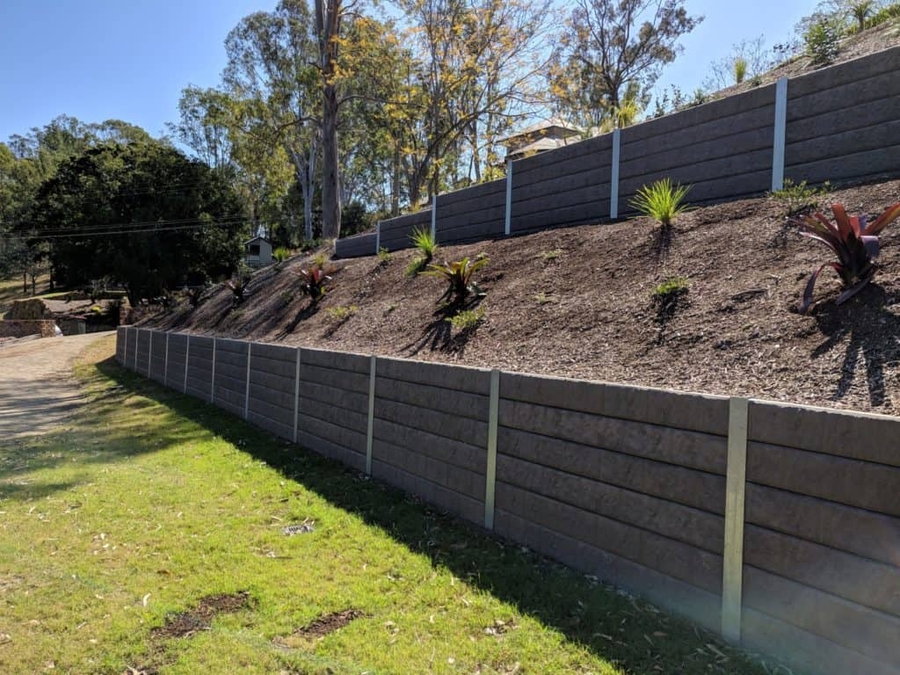
A retaining wall can be useful for making an outdoor space safer, preventing soil erosion, and expanding usable space outdoors. But there is an all-important question Australian homeowner want to know before they start any project, how tall can a retaining wall be without council approval?
Every state, local council, and site has its own answer to that question. Knowing the rules before you begin construction can save you time, money, and headaches.
Why Retaining Wall Regulations Matter?
Retaining walls are used to retain soil from the huge amount. If they do, which often fails, they can damage nearby properties and create safety risks and drain problems.
For these reasons, building regulations commonly restrict wall height that can be built without obtaining a permit, engineering design, or council approval.
So, that is why many homeowners approach retaining wall builders in Melbourne during the early stage of planning so that requirements as per local conditions are met.
Victoria
A building permit is usually needed in Victoria if the walls are either over a certain height or they support additional loads.
Requirements may vary between councils. That’s what is behind many property owners hiring retaining wall contractors in Melbourne to ensure compliance before public works construction projects get underway.
New South Wales
In New South Wales, retaining walls may be exempt from approval if they do not exceed certain height limits and are located within specified distances of property boundaries.
Engineered certification may still be required depending on the site and design however.
Queensland
Queensland considers both wall height and location in their regulations. A low wall near a boundary may create additional requirements.
Drainage management also plays a significant role in whether to grant approval.
South Australia
In South Australia, your local council rules dictate how high you can do a retaining wall. Approval and structural assessment are at least usually required for walls above specified heights.
Homeowners need to check with the local government before arranging materials or commencing any excavation work.
Western Australia
Retaining walls over certain height limits or which impact neighbouring properties usually require council approval in Western Australia.
The requirement for engineering reports can depend on site-specific conditions.
Tasmania, ACT, and Northern Territory
Local building officials have some discretion in how they interpret your jurisdiction’s building regulations. Height limits and permits vary with location & site.
Always best to check with the local authority concerned here.
Factors That May Trigger Approval
Even a relatively low retaining wall may need approval if:
- It supports a surcharge load
- It is constructed close to a plot boundary
- It affects stormwater drainage
- It forms an element of a bigger construction site
- The land that is the site has a very poor soil condition
And this is why expert guidance can literally save you a lot of time and money.
Work with Experienced Professionals
For starters, a retaining wall is more than just an outside element in your garden. It is a basic, load-bearing component that needs to do its job for years safely.
Experts having skills in retaining wall building in Melbourne can do a careful site assessment, propose suitable materials, and help with local guidelines compliance.
Similar, experienced retaining wall contractors in Melbourne can help you with permits, engineering requirements, & construction standards.
Final Thoughts
Whether in the higher areas of your yard or further down hillside, the maximum height of a retaining wall without council approval varies throughout Australia and often is dependent on more than just height. Things like boundaries, drainage, soil types, and loads to be placed on a structure influence whether you actually need prior approval.
Consider professional advice and also check with the local council regulations before you embark upon your project. While a little planning may be required at the outset, you are far better off having a wall that is safe, meets compliance, and stays in place for many years to come.